Present- FBP project ‘Checkmates’
Creativity & Aesthetics
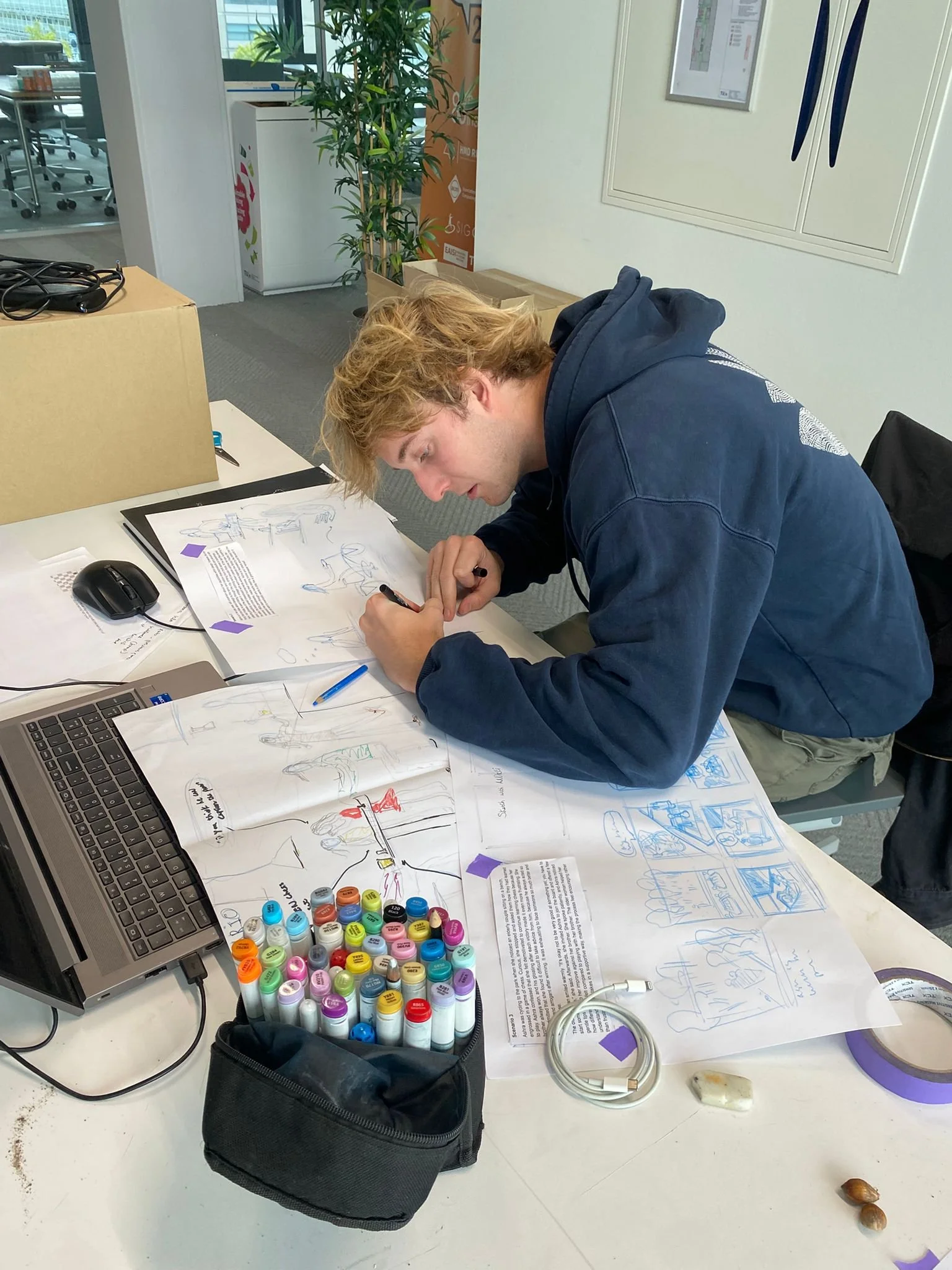
During my project, I paid close attention to the presentation and aesthetics of my report, photographs, and the prototype itself. Throughout the process, I also focused on applying various creative methods such as scenario writing, working through personas, concept sketches and generally working through a physical workbook. In many of the designs I created, I aimed to make them as visual and tangible as possible, to gain better insight into both the aesthetics of the interaction and the visual aspects of the design. Technology and design methods shaped the aesthetics, and the aesthetics, in turn, affected technical decisions.
Business & Entrepreneurship
Although I didn’t explicitly integrate this expertise area into my project, I did participate in extracurricular activities related to business and entrepreneurship during my FBP. As a design engineer in the student team Eden, I engaged with companies in the ecology sector to connect our research to real-world contexts and explore how applying our knowledge could create real impact.
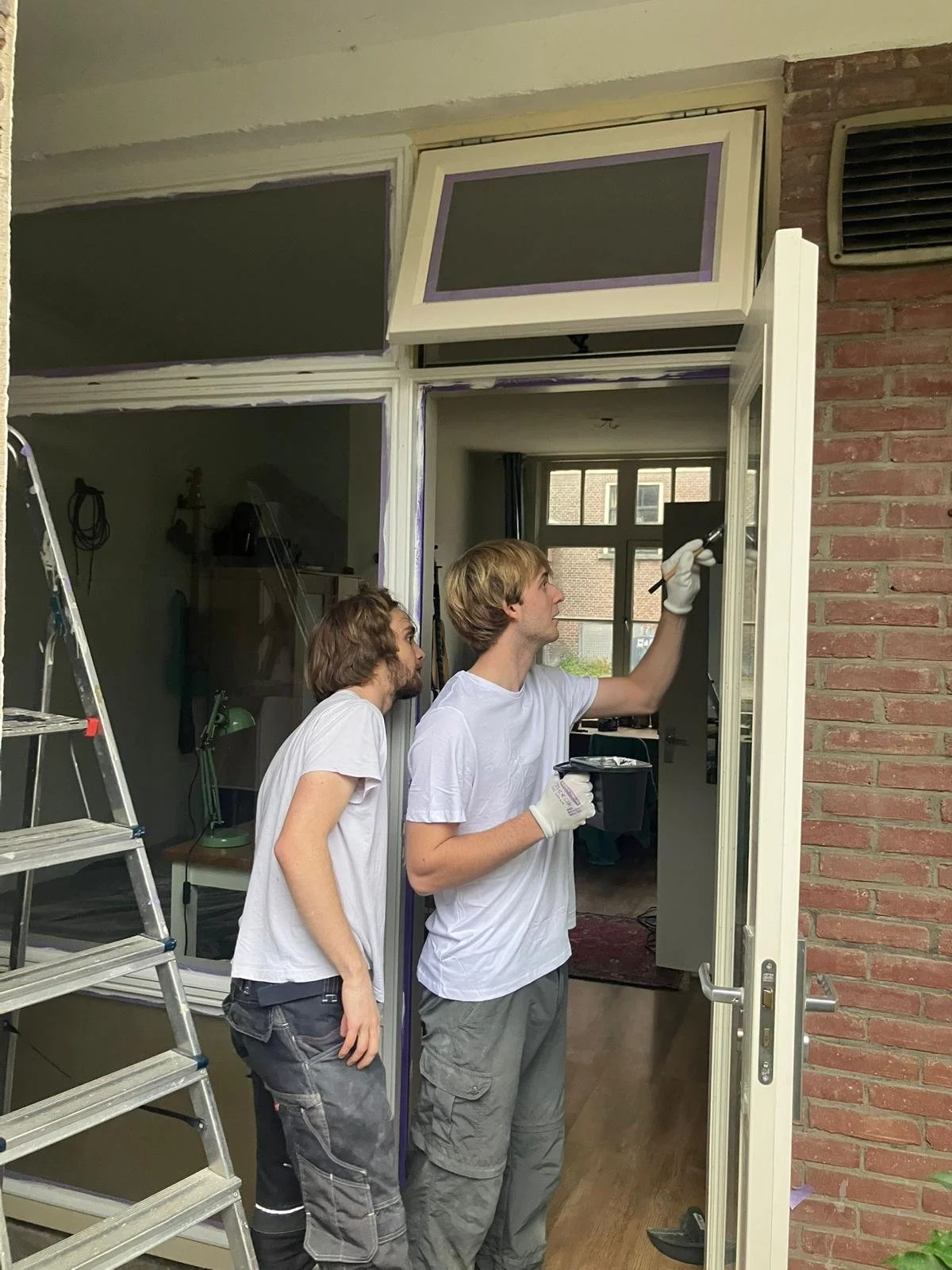
Alongside this, I co-founded a painting company with a friend, securing our first major professional project. This experience taught me how to create estimates, manage client communications, and handle the practical aspects of running a business. While it is not directly design-related, it provided me valuable insights into what it takes to set up your own design company, which is something I aspire to do in the future.
Technology & Realization
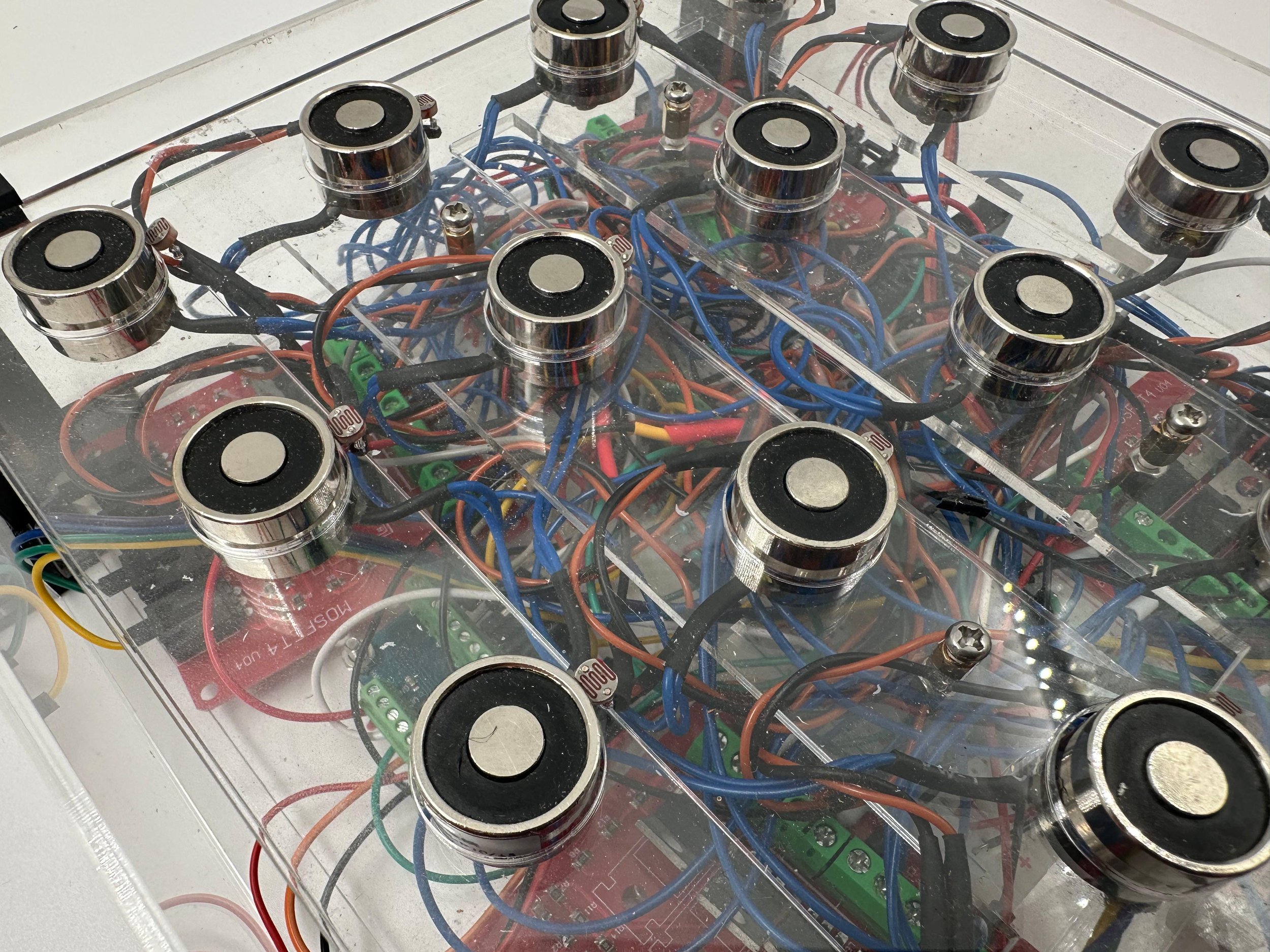
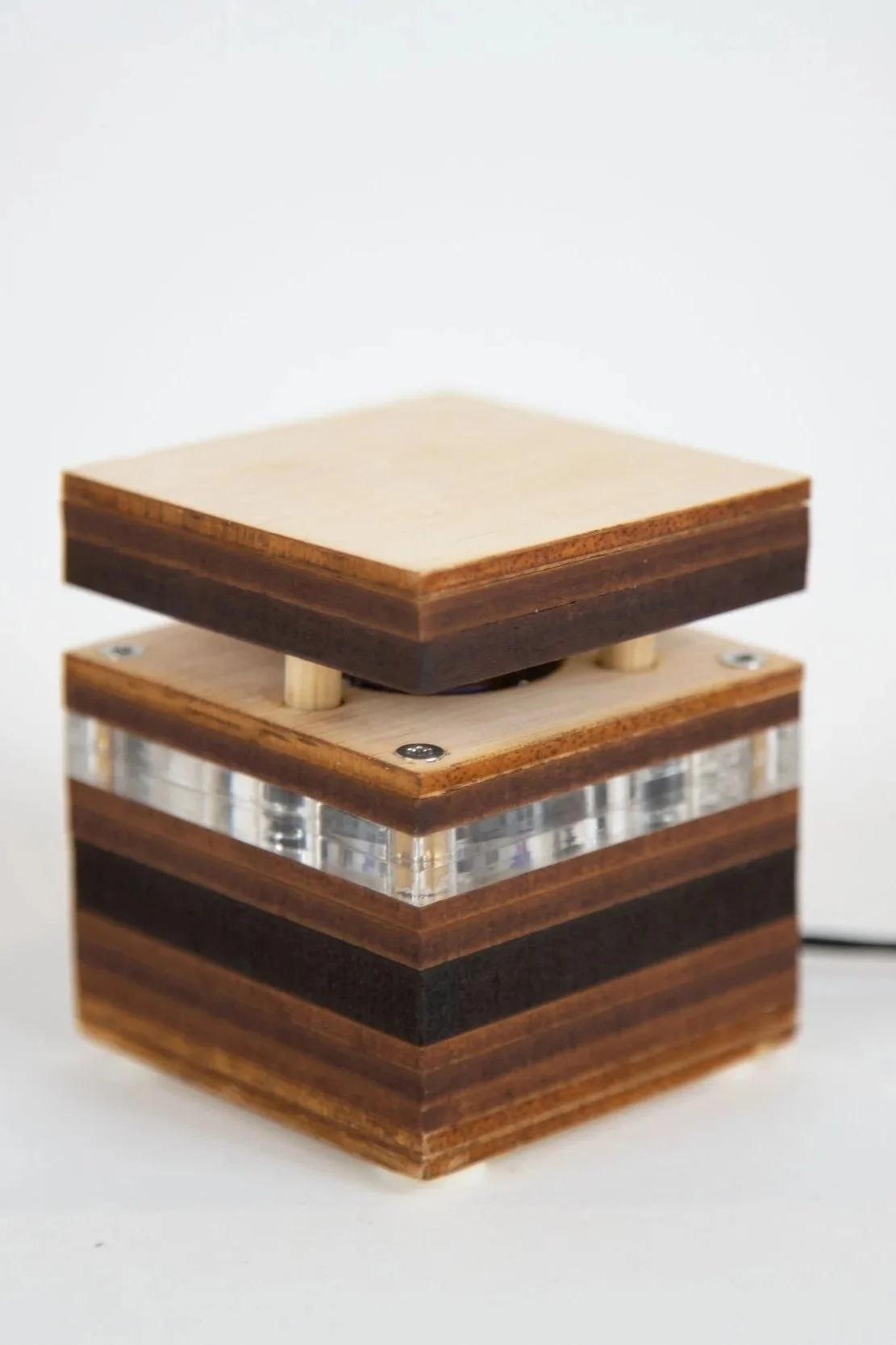
I am very proud of the multiple prototypes I developed throughout my FBP, as they reflect my ability to bring ideas to life. Spending hours troubleshooting taught me a great deal, particularly how to work in a structured way to solve technical problems. During my FBP, I also found a good balance between different levels of fidelity in prototyping. I learned to distinguish when it is important to use low- or high-fidelity prototypes, as each approach reveals different insights about the design.
Additionally, I was not afraid to dive into the small details, which I believe can make a significant difference. This approach enabled me to create prototypes that were easy to disassemble, iterate on, and ultimately robust enough to conduct meaningful user tests.
Math, Data & Computing
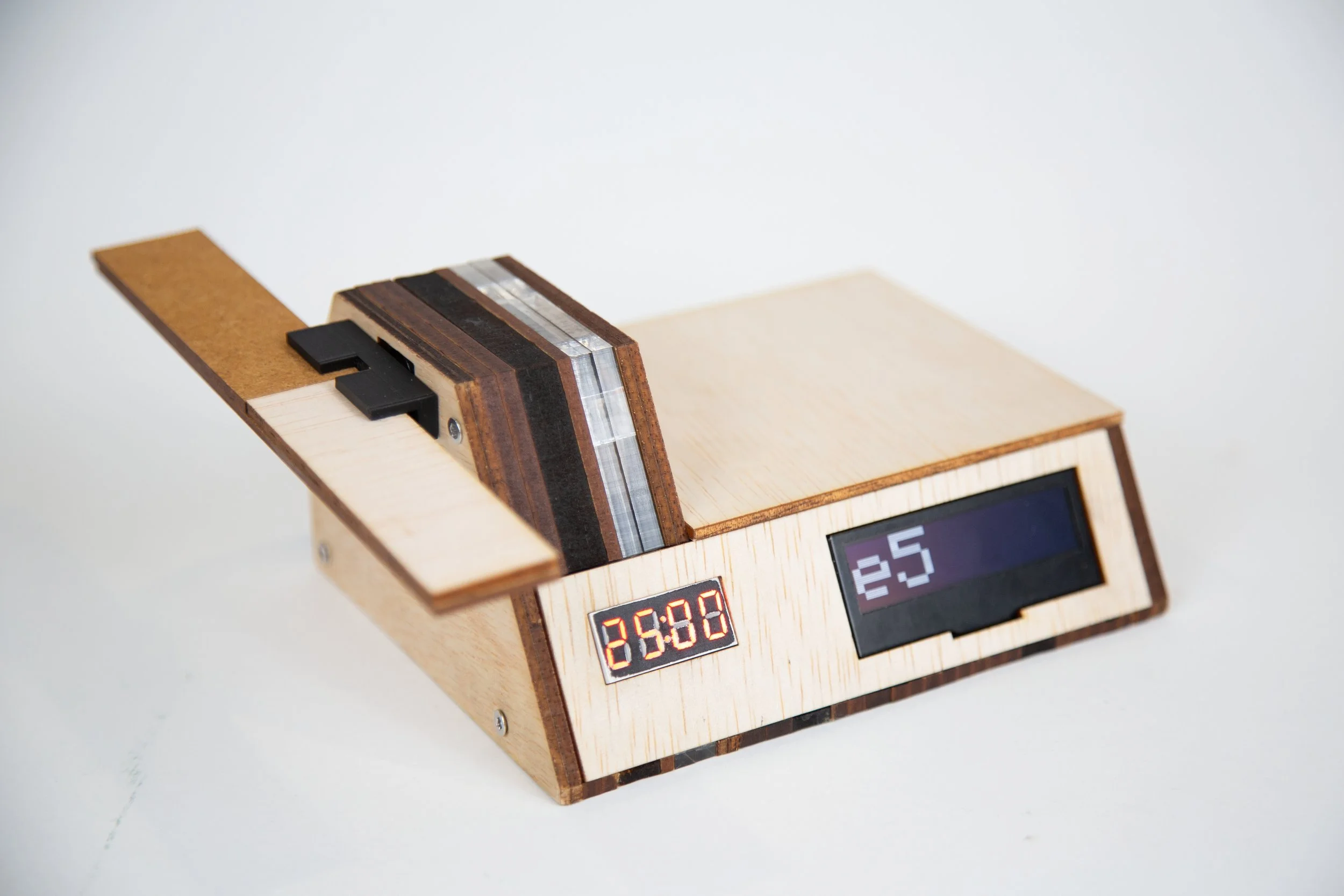
I applied my skills in math, data, and computing to enable wireless communication between products in combination with my T&R skills. In this setup, the physical chess computer used data from the PCB to calculate new servo positions. At the same time, I was able to send text input from my computer to the PCB and onward to the chess computer, allowing data exchange between the different systems.
To push this further, I attempted to detect the chess application running on my screen and scrape data from the browser using JavaScript, to later process this data in Python to be able to send it to Arduino. Unfortunately, this approach was too complex for me due to security measures implemented by chess applications, which restricted access to the required data.
User & Society
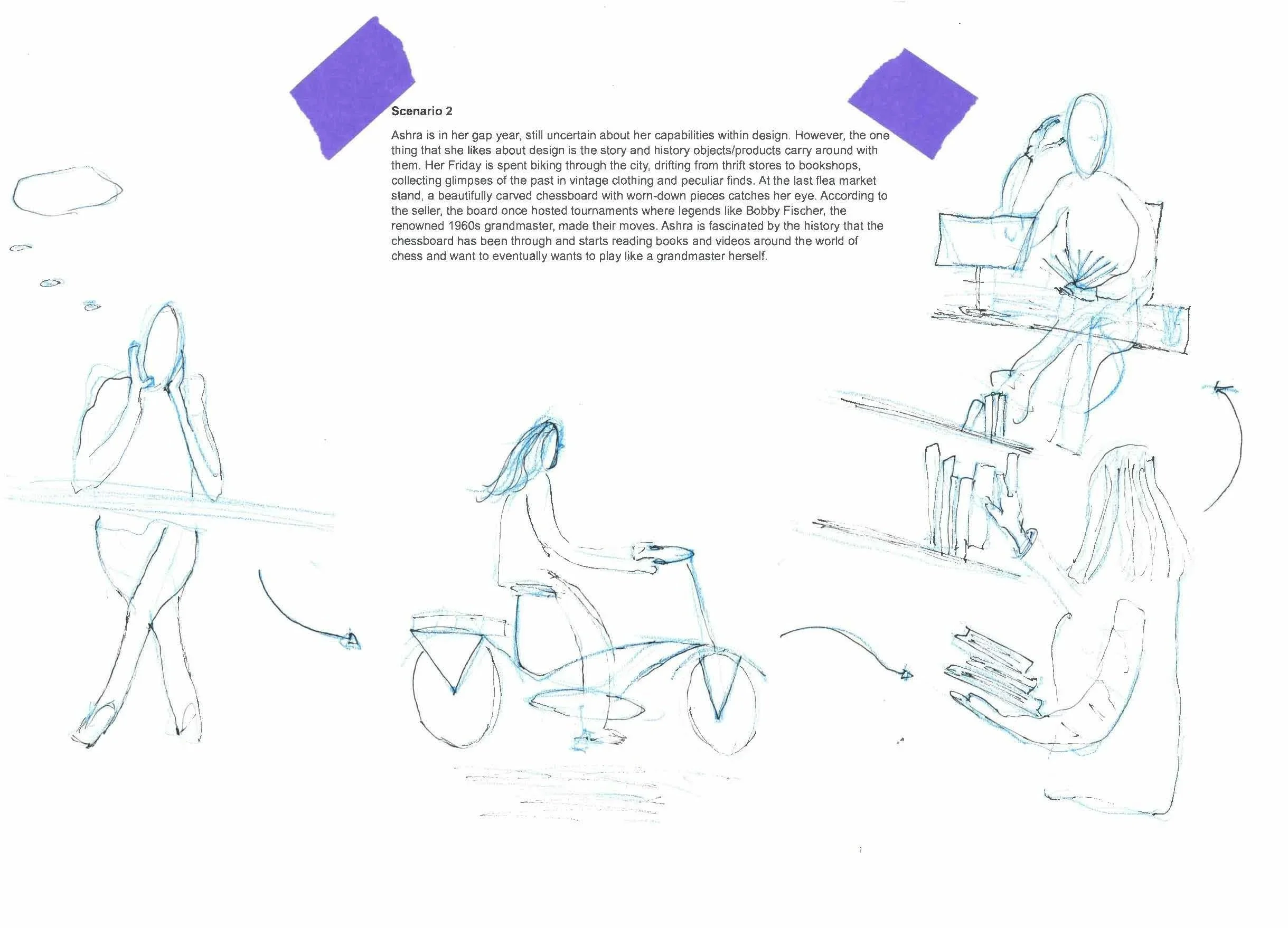
During my project, one of my main goals was to put a lot of effort into user testing and to gather extensive input from users, students, and coaches throughout my own process. I applied skills from other expertise areas to collect meaningful insights. I used a persona to understand the user, scenario sketches to interview students, I did exploratory user research to gain inspiration on two concepts, and ultimately conducted three user tests.
I ensured that there was sufficient time between each user test, allowing me to immediately implement improvements and apply the insights gained to the upcoming tests.